
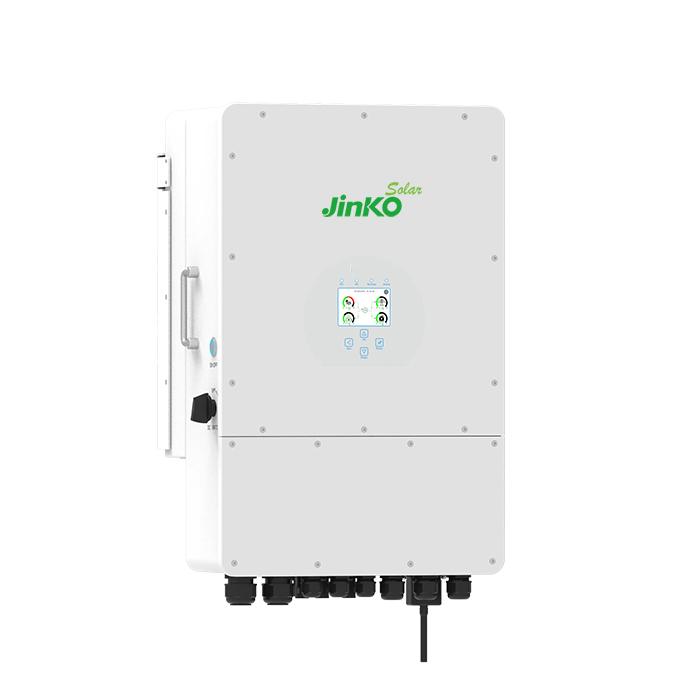
Best Solar Inverters in Kenya are becoming essential as more homes and businesses turn to renewable energy. Kenya’s solar market is expanding rapidly, and one of the most critical components in any solar setup is the inverter. It serves as the heart of the system—converting DC power from solar panels into usable AC electricity for your appliances.
At Cemmax Building Supplies Ltd, we stock a range of high-performance hybrid inverters that deliver reliability, efficiency, and excellent value for money. Whether you’re installing a new system or upgrading an existing one, understanding the available options and their prices will help you make the right investment decision.
Factors to Consider When Choosing a Solar Inverter
Before diving into specific brands and prices, let’s go over what you should check when selecting an inverter for your Kenyan setup.
Power Output & Capacity
First, match the inverter capacity with your system size. If your solar panels are sized for 3 kW, you’ll need an inverter capable of handling that output (and a little more). Undersizing can lead to inefficiency; oversizing may waste budget.
Efficiency and Conversion Performance
A good inverter efficiently converts solar‐generated DC into AC, minimizing losses. Especially in Kenya, where sunlight is abundant but climate conditions can stress equipment, go for models with proven high efficiency.
Type of Inverter
There are several types you will encounter:
-
Grid-tie (string) inverters – most affordable, best when panels are uniform and shading minimal.
-
Hybrid inverters – integrate solar panels, batteries and can switch between grid/off-grid mode; very useful if you want backup during outages.
-
Off-grid inverters – used in remote places with no reliable grid; less common in urban Kenya but still relevant.
Compatibility & Future Expansion
Check whether the inverter supports batteries (if you plan one), is compatible with your solar panel output, and whether it has monitoring features. It’s also wise to consider future expansion—selecting a model that allows increased capacity saves headaches later.
Build Quality, Warranty & Support
Kenyan solar systems must cope with dust, heat, voltage fluctuations and occasional surges. A trustworthy inverter will have a solid warranty, appropriate certifications and local support.
Local Factors
Since you’re in Kenya, check for local service availability, spare parts, and supply in stock—this ensures faster resolution of any issues.
Cemmax Building Supplies Ltd – Hybrid Inverters We Stock
While many brands dominate the market, at Cemmax Building Supplies we focus on supplying hybrid inverters built for our region. We do not claim exclusive manufacturing but offer top-quality sets ready for Kenyan conditions with expert support. Cemmax Building Supplies ltd
Here are some of the models and price ranges we currently stock:
| Model | Specification | Approx. Price (KSh) |
|---|---|---|
| 1.5 kW 12 V Hybrid Solar Inverter | Entry level, small home use | KSh 35,000 |
| 3.5 kW 24 V Hybrid Solar Inverter | Medium home / large home | KSh 55,000 |
| 5.5 kW 48 V Hybrid Solar Inverter | Larger residential/SME use | KSh 80,000 |
| 6 kW 48 V Hybrid Solar Inverter | High output, critical loads | KSh 120,000 |
These inverters feature intelligent battery charging, seamless grid- and solar-switching, and protection features suited to Kenya’s energy environment. At Cemmax, we also provide consultation on sizing correctly, matching your batteries and panels, and ensuring your system is set up right.
Top Solar Inverter Brands in Kenya
Here are some of the strongest brands in Kenya’s inverter market, their key features and price estimates.
1. Brand A – (e.g., Deye)
One of the emerging strong names for hybrid on-grid/off-grid systems. Suitable for residential and light commercial use.
Estimated Price Range: KSh 30,000 – 70,000 depending on capacity.
2. Brand B – (e.g., Huawei)
Known for quality build and integration features, particularly when pairing with smart monitoring.
Estimated Price Range: KSh 45,000 – 90,000.
3. Brand C – (e.g., Must Solar / Microinverters)
Suitable for off-grid, remote properties with less reliable grid access.
Estimated Price Range: KSh 20,000 – 50,000.
4. Brand D – (Premium Models)
High capacity, industrial grade or large residential hybrid systems.
Estimated Price Range: KSh 90,000 – 200,000+ depending on size and functionality.
Installation and Maintenance Tips
Proper installation and regular maintenance will ensure your inverter delivers peak performance and long lifespan:
-
Professional installation: Use certified technicians to ensure correct wiring, ventilation and compliance with Kenyan codes.
-
Ventilation and positioning: Inverters generate heat—avoid direct sunlight and ensure airflow.
-
Dust and environment checks: Kenya’s environment can be dusty; regularly inspect and clean vents and housing.
-
Monitor performance: Use built-in or remote monitoring to track output and detect anomalies.
-
Annual service: Have your system signed off once a year to check wiring, connections, cooling, firmware updates.
Benefits of Choosing the Right Inverter for Your Kenya Solar System
When you pick the appropriate inverter and pair it with quality components (panels + batteries), the benefits are substantial:
-
Optimised energy conversion: You get more usable electricity from your solar panels.
-
Reduced grid dependence: With hybrid systems you can store excess energy and use it when the grid is down.
-
Longer system life: A well-matched, high-quality inverter reduces strain on panels, batteries and wiring.
-
Cost savings: Less wasted energy, fewer repair costs, and better return on investment.
-
Scalability & flexibility: You can expand your system later without replacing the inverter.
Conclusion
As Kenya moves steadily toward renewable energy adoption, understanding the Best Solar Inverter Brands in Kenya and Their Prices is key to making a smart investment. At Cemmax Building Supplies Ltd, we bring you hybrid inverters designed for Kenyan conditions—offering the best balance of performance, reliability and value. From the entry-level 1.5 kW unit to the high-capacity 6 kW model, we’ve got your system covered.
Whether you’re upgrading your solar setup or starting from scratch, choosing the right inverter — matched with good panels and batteries — will ensure you harvest the full potential of the Kenyan sun. 🌞